Bring the Short Game Home: Quiet, Clever Practice for Any Apartment
Today we explore apartment-friendly putting mats and chipping targets that transform hallways, living rooms, and balconies into calming practice zones. You will discover roll speeds that mimic real greens, nets that swallow mishits safely, and storage tricks that keep everything tidy. Expect relatable stories, concise drills, and noise-reducing ideas so you can build confidence daily, protect your walls, and lower scores without sacrificing comfort, privacy, or good neighbor relationships.
The Numbers That Matter Indoors
Reliable studies and shot-tracking apps show that shaving just a few three-putts or converting one extra up-and-down per round can drop handicaps meaningfully. Hallway putts build start-line control, while soft-chip reps sharpen contact. Success compounds because the short game rewards touch, routine, and confidence more than brute force. Set clear baselines, track make percentages at specific distances, and measure dispersion. Improvement follows when your daily reps outnumber your excuses, especially when everything fits under the bed afterward.
Quiet Practice, Happy Neighbors
Apartments invite considerate habits. Thicker backing under your mat deadens impact and muffles footsteps. Foam or limited-flight balls protect furniture and curb ricochets, while fabric-faced nets swallow sound better than rigid frames. Place targets away from shared walls, and add a thin rug or yoga mat beneath everything to further dampen noise. Establish time windows, keep wedges controlled, and stash gear quickly. Your neighbors will hear less, you will practice more, and everyone enjoys peaceful evenings without surprise thuds.
Mapping Your Space for Maximum Reps
Walk your apartment with a tape measure and a golfer’s imagination. A ten-foot hallway suits start-line drills, while a living room diagonal can create a gentle breaking putt using a shim or folded magazine. A pop-up chipping net near a window provides safe targets with natural light. Note traffic flow, outlet locations for lamps, and storage spots. Sketch distances on a sticky note, label drill zones, and you will avoid daily reconfiguration, making practice frictionless, repeatable, and pleasantly routine.
Choosing a Putting Mat That Rolls True Indoors
Speed teaches touch. A mat that rolls too fast promotes timid strokes; too slow and you will shove putts on real greens. Seek an even, predictable pace across the length with minimal seam interference. Test with coin-start drills to confirm the ball starts online. Mark calibration stations at three, six, eight, and ten feet. Small wedges under one edge can simulate subtle breaks. Confidence grows when every roll behaves the same, letting your stroke, not the floor, drive improvement.
Dense, tightly woven turf resists footprints, grooves, and premature wear. Multi-layer backing systems remain flat after repeated roll-ups, reducing ripples that deflect putts. Edge binding prevents fraying, while replaceable cups or target inserts extend lifespan. Non-slip rubber keeps everything planted during firm strokes. Choose materials that vacuum easily and shed dust with a lint roller. Good construction means routine care takes seconds, letting you practice more and fuss less. Your mat becomes dependable, season after season, and stores neatly.
Apartment life rewards products that disappear quickly. Roll-up mats with memory-resistant cores avoid permanent creases. Compact lengths fit under beds, behind couches, or inside closets, while lightweight versions travel to offices for lunch-break putting. Some designs include snap-on return tracks or removable bumpers that detach instantly. Keep elastic straps nearby, label a simple drill card, and bundle a short putter if space is tight. When setup takes less than a minute, you will return to practice consistently and joyfully.

Apartment-Safe Chipping Targets That Catch Cleanly
Chipping indoors demands gentle flights, controlled spin, and smart catching systems. Pop-up nets, fabric baskets, and layered target sheets convert mishits into harmless thumps instead of alarming clanks. Soft practice balls or microfiber “spin” balls protect screens and frames, while landing pads simulate fairway, first cut, and rough. Look for stitched scoring zones and adjustable angles that encourage trajectory control. When impact sounds tame and misses stay contained, you can groove contact daily, even with roommates relaxing three steps away.
Putting: Start Line, Speed, and Pressure
Create a tee gate barely wider than your ball to test face control at three, six, and ten feet. Add a coin behind the cup to check pace that dies gently. Run a ladder drill where each successive putt must finish past the previous but never beyond a taped line. Set a timer and track makes under countdown pressure. When alarms beep and hands shake slightly, you harden nerves safely at home, building habits that survive first-tee jitters and playoff tiebreakers.
Chipping: Contact, Landing, and Rollout
Place a small towel two paces in front of your ball as a landing pad and score points for hitting it softly, then advancing beyond. Practice three swing lengths—hip-high, waist-high, and chest-high—for predictable carries. Use a seven iron for bump-and-run through carpet grain, then a wedge to float shots to a higher target ring. Note how different lies on layered mats change bounce interaction. These mindful reps sharpen strike, improve distance control, and make scrambling calm rather than chaotic.
Games That Keep You Coming Back
Turn practice into friendly challenges. Play first-to-ten makes from six feet, but resets to zero on a miss. For chipping, assign ring values and chase a twenty-point target within five minutes. Alternate hands or putt eyes-closed to highlight feel. Keep a whiteboard scoreboard on your fridge and invite roommates to try. Small victories stack quickly, boosting belief and routine. When practice feels like play, you will return tomorrow, and the day after, carrying momentum straight onto real greens.
Ten-Minute Micro-Sessions with Purpose
Start with twenty smooth strokes focusing only on tempo and contact. Next, run a four-station ladder with three putts at each distance, noting misses low or high. Finish with a two-minute pressure game. For chipping, strike ten gentle bump-and-runs to a towel, then ten higher floaters to a ring. Brief, deliberate work respects your schedule and still builds skill. When practice fits between meetings or after dishes, it actually happens, turning intention into lasting improvement and newfound confidence.
Simple Data Without Fancy Devices
You do not need sensors to see progress. Use a notebook or notes app to record daily putts attempted, makes at distinct distances, and best pressure streak. For chipping, log target ring hits, mishit counts, and landing accuracy. Review weekly to adjust drills and celebrate gains. Snap quick photos of mat alignment or net placement to replicate successful setups. Light data keeps you honest without overwhelming you, transforming vague hopes into clear habits that steadily move your handicap downward.
Studio Simplicity: Bed-to-Desk Straight Putt
Use a two-by-ten-foot mat aligned along the longest wall, with painter’s tape marking distances and a tee gate checking face control. A shallow drop-in cup reduces noise and avoids ball ricochet. Tuck the rolled mat under the bed with elastic straps afterward, and keep a compact putter in the nightstand. Add a small pop-up chipping net only when space allows. This lean, tidy setup delivers daily reps without clutter, proving even the smallest room can nurture reliable touch.
Roommate-Friendly Living Room Combo
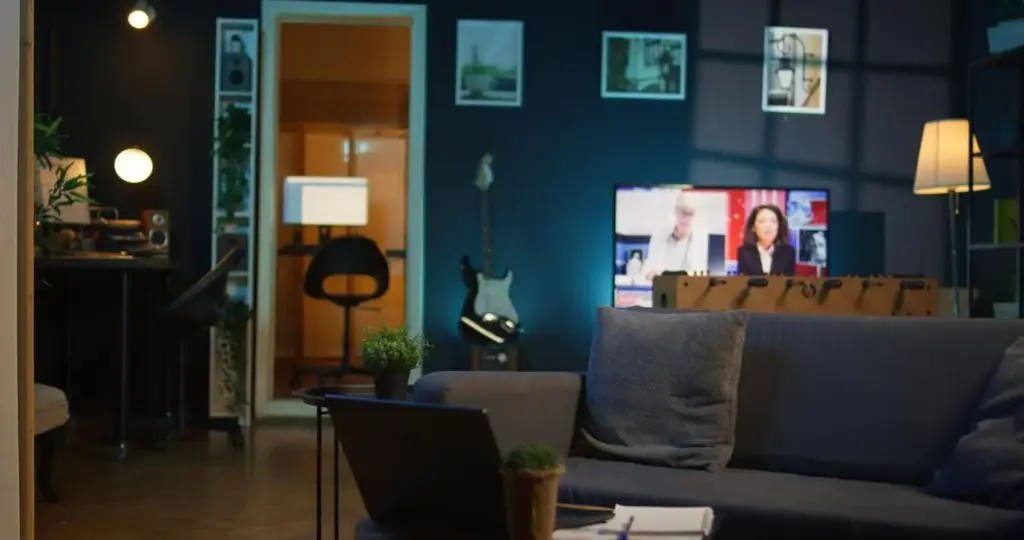
Place a return-track mat along the TV stand for casual rolling during highlights, then swivel a fabric chipping net behind the couch for protected flights. Lay a rug under everything for muffled sound and added stability. Set a two-minute drill timer so practice respects shared time. Store balls and tees in a labeled basket on the shelf. Friendly rules—no wedges during movie night—keep harmony high. Your living room transforms into a training corner that coexists with laughter, shows, and snacks.